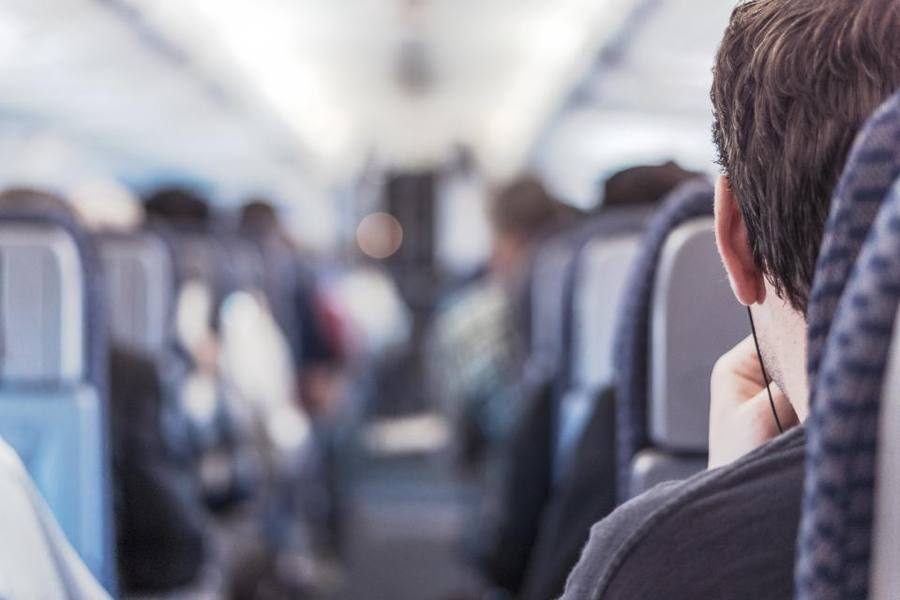
Packable Travel Blanket

Image illustrative (photo de stock) ; ce n'est pas le produit exact.
Cabins Are Genuinely Cold
Aircraft cabins are kept cool, and sitting still for hours means body temperature drops considerably more than the temperature alone suggests, which is why people feel cold in flight wearing clothes that would be fine on the ground.
Blankets are no longer provided on many short and medium haul flights, and those provided on long haul are frequently thin and reused between passengers.
A packable blanket addresses both, and it also covers trains, coaches and waiting areas where the same problem occurs without any provision at all.
Packed Size Determines Whether It Comes
A blanket that compresses to the size of a small bag of sugar gets packed, and one that occupies a meaningful proportion of a cabin bag gets left behind.
Compression pouches and integrated stuff sacks are what make the difference, and a blanket without one is folded loosely and takes several times the space.
Weight matters less than volume here, since even a substantial blanket weighs a few hundred grams while occupying volume that is genuinely scarce.
Warmth Against Packability
Thin microfleece packs tiny and provides modest warmth, where a thicker fleece or a down-filled blanket is genuinely warm and takes considerably more space.
Down compresses better than synthetic for its warmth, and it loses insulation entirely if it gets wet, which on a journey is a real possibility.
For most journeys a mid-weight fleece is the right compromise, since the requirement is taking the edge off cabin cold rather than surviving genuine cold.
Dual Use As A Pillow
Many travel blankets pack into a pouch that doubles as a cushion, which means the item serves a purpose even while not being used as a blanket.
That dual function makes the space it occupies considerably easier to justify, and a blanket that is only a blanket is a harder thing to fit into a tight bag.
Pouch comfort varies enormously, and a hard compression sack makes a poor pillow however well it compresses the blanket inside.
Some versions include a strap or clip for attaching to a bag handle, which keeps the blanket accessible without occupying space inside and means it can be reached without opening a bag in a cramped seat.
Washing And Hygiene
A blanket used on aircraft seats, train seats and airport floors picks up whatever is on them, and one that cannot be washed becomes unpleasant quickly.
Machine washable synthetic fleece handles repeated washing without difficulty, where down and wool require considerably more care.
Washing it between trips rather than at the end of a season is the sensible routine for anything that has been on public transport.
Size is worth checking against how it will actually be used, since a blanket sized for a child covers a seated adult poorly and one sized generously for a bed is more than a seat requires and takes correspondingly more space to carry.
The Verdict
A genuinely useful item for cold cabins and unheated waiting areas, where packed size determines whether it actually gets carried.
Very thin versions provide little warmth, down fails if it gets wet, and a blanket used on public transport needs washing regularly.
Check the packed size, not the warmth rating. A blanket that will not fit your bag is one you will leave at home.
En un coup d'œil
Avantages
- Addresses genuinely cold cabins and waiting areas
- Compression pouches make it packable
- Pouch doubles as a cushion on many designs
- Machine washable fleece handles public transport
Inconvénients
- Very thin versions provide little real warmth
- Down loses insulation entirely when wet
- Hard compression sacks make poor pillows
- Occupies genuinely scarce cabin bag volume
Questions fréquemment posées
Why do I need one?
Cabins are kept cool and sitting still drops body temperature more than the air temperature suggests. Many short and medium haul flights no longer provide blankets, and those on long haul are thin and reused.
What should I look for?
Packed volume above all, since a blanket occupying a meaningful proportion of a cabin bag gets left at home. A compression pouch makes the difference, and one that doubles as a cushion justifies the space more easily.
Fleece or down?
Mid-weight fleece for most journeys, since the requirement is taking the edge off cabin cold rather than surviving real cold. Down compresses better and loses insulation entirely when wet, which on a journey is a genuine possibility.
Spécifications
| Type | Packable travel blanket |
| Problem | Cold cabins with no blanket provided |
| Key factor | Packed volume, not weight |
| Compression | Integrated pouch or stuff sack |
| Best compromise | Mid-weight fleece |
| Down | Compresses well; fails when wet |
| Dual use | Pouch as a cushion |
| Washing | Between trips, machine washable fleece |
Résumé
Cabins are cold and blankets are no longer given out. Check the packed size — that decides whether it comes with you.
Vérifier le prix sur Amazon