45 Litre Clamshell Travel Backpack
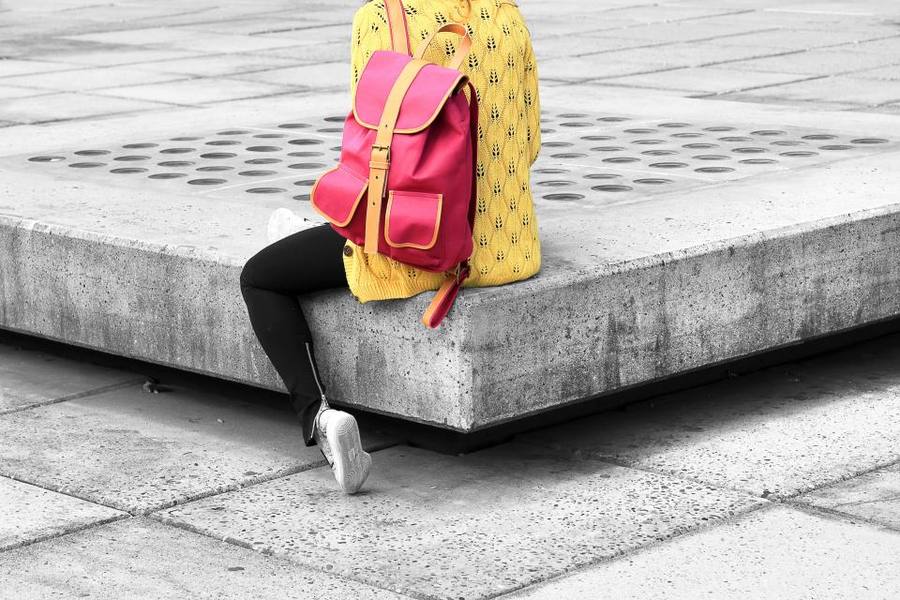
Image illustrative (photo de stock) ; ce n'est pas le produit exact.
Front Loading Changes Everything
A traditional hiking rucksack loads from the top, which means anything at the bottom requires unpacking everything above it, and finding a specific item in a hostel dormitory becomes an exercise in emptying the whole bag onto a bed.
A clamshell travel pack unzips around three sides and opens flat like a suitcase, so the entire contents are visible at once and anything can be lifted out without disturbing the rest of the packing.
That single design difference is what separates a travel backpack from a hiking one, and it matters far more in daily use than capacity, weight or any of the specifications that get compared.
Torso Length Determines Comfort
Backpacks are fitted to torso length rather than height, and two people of the same height can need different sizes depending on the proportion of leg to body, which is why trying one on matters more than reading reviews.
A pack sized wrongly puts the hip belt in the wrong place, which means weight sits on the shoulders rather than the hips and a long walk becomes genuinely painful regardless of how good the harness is.
Many travel packs have an adjustable back length, which accommodates a range and adds a little weight, and for anybody unable to try before buying it removes most of the risk of getting it wrong.
The Hip Belt Carries The Weight
A properly fitted hip belt transfers the majority of the load onto the hips, which are considerably better at carrying weight than shoulders are, and shoulder straps then serve mainly to hold the pack against the back.
A pack without a substantial hip belt, or with a thin webbing strap sold as one, puts everything on the shoulders and becomes uncomfortable within a mile regardless of what the capacity or the fabric specification says.
The belt should sit on the top of the hip bones rather than around the waist, which is higher than most people place it instinctively and makes an immediate difference to how the load feels.
Size Against Cabin Limits
Forty-five litres is roughly the largest capacity that can consistently pass as cabin baggage, and larger packs will be checked, which removes the main practical advantage of travelling with a backpack.
A soft pack also expands as it fills, so a bag nominally within limits can exceed them when full, and compression straps pulling it back into shape are what keep it acceptable at a gate.
Anybody committed to carry-on travel should treat the stated capacity as a maximum to work within rather than a target to fill, since the weight limit usually binds before the volume does anyway.
Stowable Harness And Lockable Zips
Straps and belts catch on conveyor machinery when a pack is checked, and a panel that zips over the harness protects it and turns the bag into something closer to a duffel for handling.
Lockable zip pulls allow a small padlock through both sliders, which deters opportunistic opening in a crowded station or dormitory even though it stops nothing determined.
Neither feature affects how the pack carries, and both matter considerably in the specific situations travel backpacks are used in, which is why they appear on packs designed for travel rather than hiking.
The Verdict
The right bag for travelling independently, packing like a suitcase while leaving hands free and handling stairs, trains and unpaved streets without difficulty.
Torso length must match, the hip belt must be substantial, and a soft pack expands beyond cabin limits without compression straps to control it.
Get the torso length right before anything else. A pack fitted wrongly puts the load on your shoulders and no amount of padding fixes that.
En un coup d'œil
Avantages
- Opens flat like a suitcase rather than loading from the top
- Hands free and handles stairs, trains and rough ground
- Hip belt transfers weight off the shoulders properly
- Stowable harness protects straps when checked
Inconvénients
- Wrong torso length is uncomfortable regardless of padding
- Expands beyond cabin limits without compression straps
- Thin webbing hip belts put weight on the shoulders
- Larger than 45 litres will usually be checked
Questions fréquemment posées
How do I choose the right size?
By torso length rather than height, since two people of the same height can need different sizes depending on leg-to-body proportion. A pack sized wrongly puts the hip belt in the wrong place and the load ends up on your shoulders.
Why does the hip belt matter so much?
It transfers most of the load onto the hips, which carry weight far better than shoulders. It should sit on top of the hip bones rather than around the waist, which is higher than most people place it and makes an immediate difference.
Will it pass as cabin baggage?
Around forty-five litres is the practical maximum, and a soft pack expands as it fills so a nominally compliant bag can exceed limits when full. Compression straps pull it back into shape, and the weight limit usually binds before the volume does.
Spécifications
| Type | Clamshell front-loading travel backpack |
| Opening | Unzips three sides, lies flat |
| Fitting | By torso length, not height |
| Hip belt | Sits on the hip bones, not the waist |
| Capacity | Around 45 litres for cabin |
| Compression | Straps essential to control expansion |
| Harness | Stowable panel for checking |
| Security | Lockable zip pulls |
Résumé
Packs like a suitcase, carries like a rucksack. Get the torso length right — nothing else compensates for that.
Vérifier le prix sur Amazon